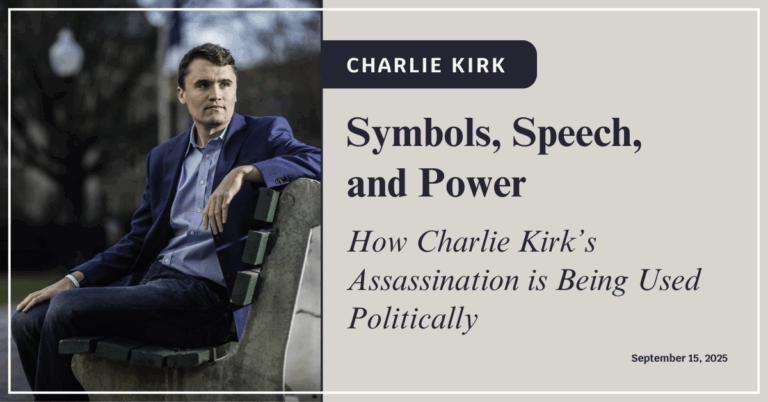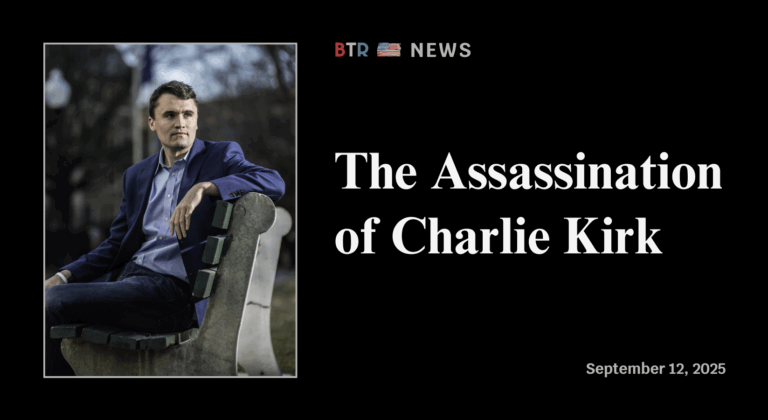


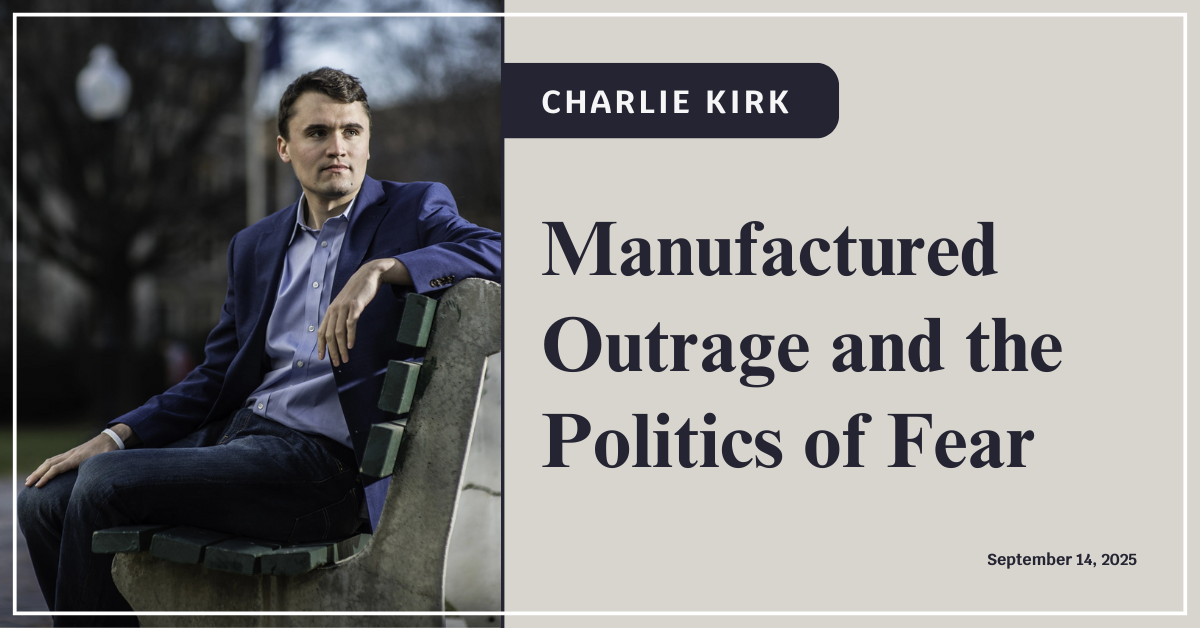
In the aftermath of the tragic assassination of Charlie Kirk at Utah Valley University, political commentary has erupted across the country. Few responses illustrate the nature of today’s partisan rhetoric better than a viral post shared by right-wing media figure Dennis Michael Lynch, authored by consultant Robert Sterling. Lynch called it one of the best rants about the left in recent memory. The piece is long, emotional, and framed as if it represents indisputable truth. Yet, like so many of the narratives that dominate American politics today, it mixes legitimate grief with exaggeration and misinformation, carefully woven together to create a story that fuels anger and fear rather than understanding.
At the center of Sterling’s argument is the claim that “normal Americans,” people who supposedly never engaged much with politics, have been radicalized against Democrats because of two violent crimes in the same week. The first was the killing of Iryna Zarutska, a Ukrainian refugee stabbed by a repeat offender. The second was the assassination of Charlie Kirk during a speaking event. Sterling insists that these events changed the political outlook of tens of millions of people overnight, pushing them toward the Republican Party.
While no one disputes the grief caused by these crimes, the suggestion that tens of millions of people suddenly shifted their political allegiance is implausible. Violent crime has, sadly, always been part of American life. When tragic events dominate news cycles, they do capture the nation’s attention and shape conversations, but the claim that they instantly transformed the political identity of vast swaths of the country is a dramatic overstatement. Even more telling is Sterling’s insistence that crime is spiraling out of control, despite nationwide data showing that violent crime rates have been falling in recent years. The tension between perception and reality is one of the most powerful forces in politics, and Sterling relies on perception while disregarding facts.
The post also makes the claim that liberals across the country openly celebrated Kirk’s death. Sterling describes nurses, teachers, and retail workers posting on social media in defense of the killing, painting this as widespread and undeniable. This framing is deeply misleading. In any large-scale tragedy, fringe voices will appear online making cruel or inappropriate comments. Social media platforms have always magnified those voices, giving them the appearance of being more numerous than they truly are. Yet Sterling’s post inflates these isolated incidents into a sweeping indictment of Democrats as a whole. By suggesting that thousands of everyday professionals were actively cheering Kirk’s death, he turns an outlier into a supposed norm and, in doing so, smears millions of Americans who had no part in such behavior.
A central pillar of Sterling’s argument is that Democrats are directly responsible for violent crime through their support of bail reform and progressive prosecutors. He tells his readers that when people saw Zarutska’s murder, they did not just see one violent criminal, but instead pictured every university administrator or diversity officer who had ever spoken about racial justice. This argument leaps over nuance and lands in the realm of scapegoating. Bail reform laws were largely created to ensure that nonviolent offenders were not kept in jail simply because they were poor. They were not written to release violent repeat offenders, nor are they the sole cause of the failures in the criminal justice system. Moreover, crime rates rise and fall under both Republican and Democratic leadership, and some of the cities most vilified for progressive policies are in fact safer than many conservative-led areas. Blaming Democrats wholesale for violent crime is a simplification that ignores the complexity of the issue and disregards the larger social and economic factors that contribute to violence.
The most troubling element of Sterling’s post is the insistence that ordinary Americans now believe Democrats want them dead. The rhetoric escalates beyond political disagreement into spiritual warfare, describing liberals as demon-possessed and neighbors who vote Democrat as complicit in murder. This kind of language is extraordinarily dangerous because it casts political opponents not as rivals in a democratic system but as existential threats to life and family. It primes readers to see political conflict as a matter of survival, not debate, and it creates a climate where extreme measures feel justified.
This is not new in American political life. Throughout history, leaders and commentators have sought to rally supporters by portraying the other side as dangerous, immoral, or even inhuman. But in today’s environment, where information travels instantly and emotional posts dominate social media, the consequences of such rhetoric can escalate quickly. Sterling’s argument takes two individual tragedies and turns them into proof of a vast conspiracy of liberals who supposedly cheer for violence and who secretly want to destroy ordinary families. This is less about mourning Kirk or Zarutska than about mobilizing outrage for political gain.
It is worth noting that similar rhetoric about Democrats presiding over “lawless cities” and unleashing chaos was widely used in 2020. That narrative helped justify militia activity, vigilante responses, and ultimately played a role in fueling the January 6 attack on the Capitol. In 2025, with Donald Trump once again in the White House, these same narratives are being revived and expanded. Posts like Sterling’s provide the emotional justification for federal crackdowns on cities, mass arrests, and the portrayal of dissent as dangerous extremism.
Amid this storm of rhetoric, two simple truths risk being lost. The first is that Charlie Kirk’s assassination, like the killing of Iryna Zarutska, was a human tragedy that should be mourned rather than weaponized. Violence in politics is unacceptable, regardless of who the victim is. The second is that grief and anger are easily manipulated. When commentators insist that Democrats are responsible for every violent crime, or that liberals secretly wish death upon their opponents, they are not offering solutions. They are stoking division, fear, and suspicion in a society already strained by polarization.
The viral rant shared by Dennis Michael Lynch should not be seen as an honest reflection of American life. It is a political tool designed to mobilize people by turning pain into fear and fear into loyalty. Preventing violence in the future will not come from demonizing neighbors or imagining conspiracies where none exist. It will come from addressing the real issues that foster violence, including mental health care, gun policy, and community safety. Until then, posts like Sterling’s will continue to push Americans further apart, making political opponents into enemies and leaving democracy itself at risk.